



 Cacao Brown
 Duck Egg Blue
 Gold
Gold
 Navy
Navy
 Pink Rose
 Bordeaux
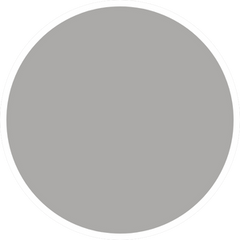 Grey
Grey
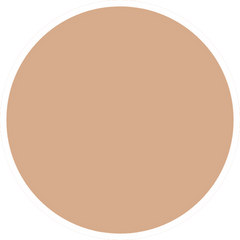 Terra
Terra
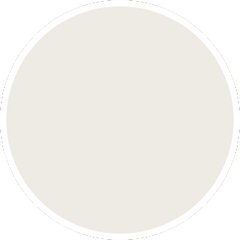 White
White
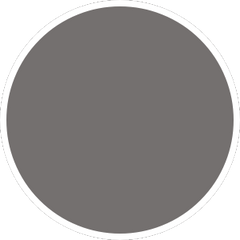 Smoky
Smoky
 Ivory
Ivory
 Silver
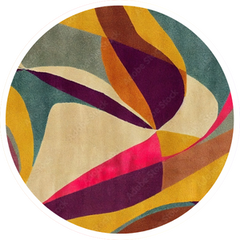 Mix
Mix
 Cream
Cream
 Dark Blue
 Aqua
Aqua
 Beige Light
 Emerald Green
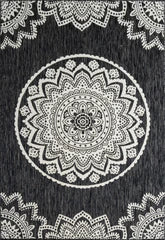
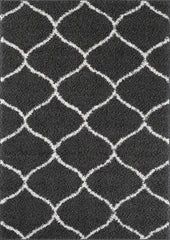
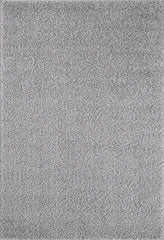
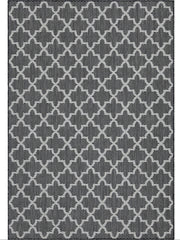
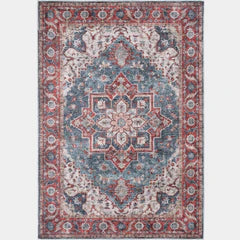


A rug changes more than the look of a room. It also changes how the floor feels underfoot. The backing plays a large part in daily use. Anti-slip backing rugs add grip under the pile. Standard shaggy rugs focus more on soft texture and style. In this guide, “standard” means no built-in anti-slip base.
Both types can suit a home well. The better fit depends on the room. Floor type also matters. So do foot traffic, care needs, and rug size. A quiet bedroom needs less grip than a busy hall. A smooth floor also needs more grip than carpet.
A clear anti-slip rugs vs shaggy rugs review helps make the choice easier. Six key differences matter most. They cover grip, backing, softness, care, room use, and wear.
Quick Shaggy Rug Comparison Before the Six Main Differences
A short shaggy rug comparison gives a useful base. Anti-slip rugs add grip beneath the pile. Standard shaggy rugs may not have a grip layer. Some standard rugs work well with a rug pad. Heavy furniture can also help hold a rug down.
Pile feel is a separate point. A grip base does not set pile softness. A shaggy anti-slip rug can still feel soft. A standard shaggy rug can feel soft as well. Fibre type and pile depth shape the feel.
Montella’s Anti-Slip Backing Rugs range includes HARROW rugs in several colours. Current choices include Grey and Turquoise. Montella lists polyester, plush shag pile, and machine-made build. The brand also lists an anti-slip base. Its HARROW pages list machine washing and vacuum care too.
The main points are easy to scan:
- Anti-slip rugs place grip inside the rug design.
- Standard shaggy rugs may need a separate pad.
- Both rug types can have a soft pile.
- Care rules change by fibre and backing type.
- Room use affects the right rug choice.
- Heavy foot traffic puts more stress on rugs.
The key non-slip rug benefits relate to less movement. Built-in grip can also make open-floor use easier. No rug removes every slip risk. Dust can weaken floor contact. Curled edges can also cause trouble. Rug size and floor finish still matter.
Colour also affects room feel. A calm shade can blend with furniture. A bright shade can draw more focus. Size should match the open floor space.
Differences 1 and 2: Floor Grip and Rug Backing
1. Anti-slip rugs add grip under the pile.
The clearest change lies under the rug. Anti-slip backing rugs use a base with extra grip. A standard shaggy rug may have no grip layer. Such a rug may rely on its own weight. Furniture may help too. A rug pad can add more hold.
Montella uses anti-slip dots on its HARROW rugs. The brand says the dots help reduce rug movement. The product pages also link the feature with smooth floors. Such rug backing differences affect daily use. A soft pile does not show how a rug grips.
Built-in grip can suit open areas. Small rugs often need more help there. Bedside rugs are a good example. A play area can also benefit from more hold. The same applies to small lounge rugs.
2. Backing affects movement under daily foot traffic.
Rug movement can show up in several ways. A rug may creep across the floor. One corner may turn. Small folds may form after repeat steps. Good anti-slip rug features aim to reduce such movement.
Standard shaggy rugs can still stay firm. Carpet can help hold them. Large furniture can also add weight. Smooth hard floors often show poor grip sooner.
Built-in grip supports floor contact from day one. Still, the base needs care. Dust can cut grip. Heavy wear can flatten grip dots. Curled edges can create a trip point.
The safest rugs for floors need more than one feature. Good grip matters. Flat edges matter too. Correct rug size also helps. A clean floor supports better contact.
Differences 3 and 4: Pile Feel and Cleaning Needs
3. Backing does not decide how soft a rug feels.
Some anti-slip rugs look like thin mats. Shaggy anti-slip rugs show another option. They pair a soft pile with a grip base. The pile gives the soft feel. The backing handles floor contact.
Fibre type makes a clear difference. Pile depth matters too. Dense fibres can feel full underfoot. Longer fibres can feel softer. Yet long pile may trap more crumbs. It may also need more vacuum care.
Montella’s Anti-Slip Backing HARROW Shaggy Rug in Turquoise uses polyester. Montella lists a plush shag pile and anti-slip base. The page also lists indoor use and a rectangular shape.
A fair shaggy rug pros and cons review should split pile from backing. Softness comes from the top part. Grip comes from the base. A rug can offer both.
4. Cleaning needs depend on the whole rug.
No single care rule fits every shaggy rug. Some rugs need spot care. Some support regular vacuuming. Some anti-slip rugs also support machine washing. The maker’s care guide should set the method.
Montella lists its HARROW line as machine washable. The brand also lists vacuum care and stain resistance. Those points can help in rooms with regular foot traffic.
Backing also needs care. Strong heat can harm some grip layers. Rough washing can also wear a base faster. Clean floors help a grip layer hold well. Dirt between the rug and floor can lower contact.
Care should fit both pile and backing. A clean top is only one part. The underside needs checks too. A sound base helps a rug stay flat.
Differences 5 and 6: Room Placement and Long-Term Daily Use
5. Anti-slip backing can suit open floor areas well.
Room layout changes the job of a rug. A large rug under a bed gains extra weight. A rug under a sofa gains help too. A small open rug has less support.
Busy paths also put more force on rugs. Steps come from many angles. A small rug may twist or shift more often. Built-in grip can help reduce such movement.
The best rug for high traffic areas needs several useful traits. Good grip is one. A practical pile is another. Easy care also helps. The rug should fit the walking path well.
Montella’s Anti-Slip Backing HARROW Shaggy Rug in Grey pairs a grey pile with a grip base. Montella lists polyester, machine-washable care, and stain resistance. Grey also works with many room colour schemes.
6. Long use affects pile and backing in different ways.
Every rug changes after long use. Shag fibres can flatten in busy spots. Edges can curl. Dirt can settle deep in the pile. Backing can lose grip as well.
A standard shaggy rug may use a separate pad. The pad can wear before the rug does. An anti-slip rug keeps grip inside one item. So backing wear needs regular checks.
Cracks can show base wear. Peeling can signal damage too. A smooth or hard base may grip less. Repeat sliding can point to lost hold.
Good care can slow wear. Regular vacuuming removes grit. Correct washing protects the rug better. A good size also lowers stress on edges.
A room should guide the final choice. Open hard floors often place more value on grip. Quiet rooms may place more value on pile depth. Both rug types can work well with the right match.
10 FAQs About Anti-Slip Backing Rugs and Standard Shaggy Rugs
1. What is the main difference between an anti-slip rug and a standard shaggy rug?
An anti-slip rug has a grip layer under the pile. A standard shaggy rug without built-in grip may rely on rug weight, furniture, floor texture, or a separate pad.
2. Are anti-slip backing rugs safer on hard floors?
Built-in grip can reduce unwanted rug movement on wood, laminate, vinyl, or tile. Floor condition, rug wear, edge shape, and correct sizing still affect safety.
3. Do anti-slip rugs feel less soft than standard shaggy rugs?
No fixed rule links backing with softness. Pile fibre, density, and length shape the feel underfoot. A shaggy rug can pair a soft top with a grip base below.
4. Do standard shaggy rugs need a rug pad?
Some standard shaggy rugs benefit from a pad on smooth floors. A pad can add grip and cushioning. Rug size, floor finish, and furniture placement affect the need.
5. Are anti-slip shaggy rugs good for busy rooms?
A stable backing, suitable pile, proper size, and simple care can work well in busy rooms. Regular checks for edge curl and backing wear also support safer use.
6. Can anti-slip backing lose grip over time?
Yes. Repeat use, dirt, heat, washing, and age can change the backing surface. A rug that begins to slide more often may need cleaning, checking, or replacement.
7. Are all anti-slip rugs machine washable?
No. Wash rules vary by material and backing. Some models support machine washing, yet others need spot care or another method listed by the rug maker.
8. Which rug type works better under furniture?
Both types can work under furniture. Large pieces gain extra stability from furniture weight. Rug size, pile depth, backing, and room layout still shape daily use.
9. What are the main non-slip rug benefits?
The main gains include less unwanted movement, easier open-floor placement, and added grip on many smooth floors. Good sizing and clean floor contact still matter.
10. How often should rug backing get checked?
A quick check during normal cleaning works well. Signs such as smooth patches, cracks, peeling, curled edges, or repeat sliding can show wear under the rug.
The choice between anti-slip rugs vs shaggy rugs depends on room use. Style still matters, but daily use matters too. A standard shaggy rug can suit a quiet room. It can also work well under large furniture. An anti-slip shaggy rug adds built-in grip. Such grip can help on smooth floors and open areas.
For homes that need softness and grip together, anti-slip backing rugs offer both in one rug. Montella Rugs sells Turkish-made rug ranges in many colours and sizes. Its HARROW anti-slip shaggy line uses polyester pile and an anti-slip base. The current pages also list vacuum care, machine washing, and indoor use.
You can visit our page to view Montella Rugs collections, sizes, colours, and current product details.

