

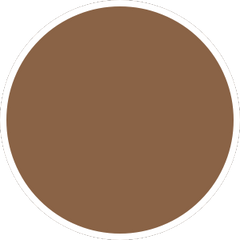
 Cacao Brown
 Duck Egg Blue
 Gold
Gold
 Navy
Navy
 Pink Rose
 Bordeaux
 Grey
Grey
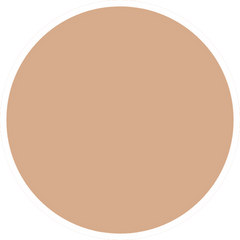 Terra
Terra
 White
White
 Smoky
Smoky
 Ivory
Ivory
 Silver
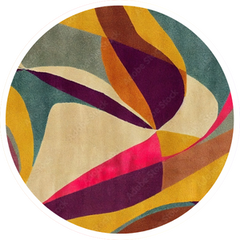 Mix
Mix
 Cream
Cream
 Dark Blue
 Aqua
Aqua
 Beige Light
 Emerald Green
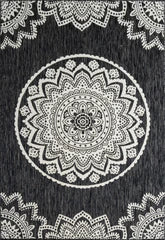
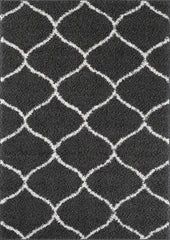
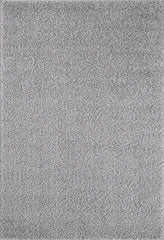
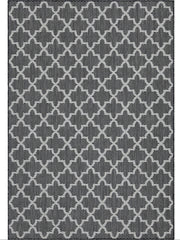


An anti-slip rug should stay steady in daily use. The backing grips the floor. It helps reduce sudden movement. Foot traffic, washing, dust, heat, and floor contact wear down the grip layer over time. The pile may still look clean. The underside may no longer hold the floor well.
Knowing when to replace a rug helps reduce slips. A weak base often gives warning signs before grip fails. Early checks also help spot rug backing deterioration before the rug moves across wood, laminate, vinyl, or tile.
A good anti-slip rug replacement should suit the room and floor. Montella Rugs offers Anti-Slip Backing Rugs in several colours and sizes. The range uses polyester shaggy pile, machine-washable care, and an anti-slip base for indoor rooms.
Six common signs show when the backing may be near the end of its useful life.
1. The Rug Slides More Than Before
A rug that once stayed in place should not move with each footstep. New movement often points to worn rug backing. Fine dust can reduce floor contact. Repeat sliding after cleaning suggests deeper wear.
The rug may twist near a sofa. It may slide beside a bed or move under quick steps. Such movement creates an unsafe slippery rug, mainly on smooth floors.
A clean floor and clean backing give the rug a fair test. Both surfaces should dry fully. The rug should then stay steady during light use. If sliding returns soon, the base may have lost much of its grip.
A darker replacement, such as the Anti-Slip Backing HARROW Shaggy Rug in Navy, may suit busy rooms where small marks show easily.
2. The Backing Feels Smooth, Hard, or Glossy
A healthy anti-slip base often has texture. Small dots or raised areas help the rug hold the floor. Long use can make the base feel smooth, hard, flat, or glossy.
Texture loss ranks among the clearest signs rug backing is wearing out. A smooth base offers less grip. A hard base may also bend poorly underfoot.
Touch can reveal wear that eyes miss. The centre may feel polished or stiff. The edges may still feel rough. A clear difference often points to uneven wear.
Good non-slip rug maintenance helps slow wear. Regular floor care removes grit that rubs against the base.
The HARROW Light Grey anti-slip shaggy rug uses an anti-slip base and machine-washable care for simple home upkeep.
3. Cracks, Peeling, Flakes, or Bare Patches Appear
Visible damage gives a strong warning. Cracks, peeling spots, loose flakes, and bare patches all point to damaged rug backing. Small marks may show near corners first. Larger worn zones often form where feet place more pressure.
A grip layer works best with an even base. Missing parts create weak spots. Cracks can spread as the rug bends, rolls, or goes through repeat cleaning.
Loose backing pieces may collect on the floor. Some worn bases also leave marks on smooth flooring.
Checks help spot rug backing deterioration early. Light scuffs do not always mean replacement. Deep cracks, wide bare areas, or repeat flaking show more serious wear.
The top pile does not tell the full story. A soft surface can hide a failing base.
4. The Rug Leaves Dust, Sticky Marks, or Pieces Underneath
A rug base should stay attached to the rug. Powder, crumbs, sticky marks, or small backing pieces may show wear.
Normal room dust looks different from backing debris. Worn bits often match the colour of the base. Debris may also return in the same places after cleaning. Repeat residue often points to worn rug backing rather than normal dirt.
Sticky marks also need attention. Heat, age, and long floor contact can change some backing types. The grip layer may soften or break down. Floor finishes can react in different ways. Both care guides matter.
Good non-slip rug maintenance includes checks under the rug during normal cleaning. Frequent residue or large areas of transfer often signal a need for replacement.
5. The Edges Curl or the Rug Stops Lying Flat
Curling edges create a trip risk. Storage, washing, furniture pressure, and long use can change a rug's shape. Mild curling may settle after proper care. Repeat curling may point to weak backing or lost shape.
The base helps a rug stay flat and grip the floor. Weak backing can make corners lift. Edges may also roll. Lifted edges can catch shoes, slippers, toys, or vacuum heads.
The issue matters most in halls, bedrooms, and family rooms. A curled rug may shift and lift at the same time. Such movement raises the risk linked with an unsafe slippery rug.
A rug that keeps curling after normal care may be near the end of its non-slip rug lifespan. Daily traffic, cleaning, floor type, and backing quality all affect service life.
6. The Grip Stays Weak After Proper Cleaning
Dust reduces grip. Cleaning gives an older rug a useful test. The floor should feel clean and dry. Rug care should follow the maker's guide. After full drying, the rug should hold its place during light use.
If sliding returns soon after cleaning, the base may have lost grip. Dirt no longer explains the movement. The backing may feel smooth or thin. Some spots may also break down.
Such wear often marks the right time for anti-slip rug replacement. Extra washing will not rebuild lost grip.
The best answer to when to replace a rug comes from the rug's state, not age alone. Strong grip, flat edges, and an intact underside matter more than a set number of years. Several signs at once point to a clearer need for a new rug.
How Long Does a Non-Slip Rug Last?
No single number fits every rug. The non-slip rug lifespan changes with foot traffic, washing, floor type, sunlight, heat, and care. A bedroom rug often wears more slowly than a rug in a busy hall.
Checks give a better guide than age. The underside should stay rough and intact. The rug should lie flat. The base should leave no flakes or sticky marks. Most of all, the rug should stay in place during normal use.
Simple rug safety tips help protect the backing. Routine floor care removes grit. The maker's wash guide helps protect the base. Full drying supports steady floor contact.
FAQs
1. How do I know if my anti-slip rug needs replacing?
Frequent sliding, smooth backing, cracks, flakes, curled edges, or weak grip after cleaning all point to backing wear. Several signs together make replacement more likely.
2. Can a rug look good on top but still need replacement?
Yes. The pile may look clean and soft, yet the underside can lose grip. Backing condition gives a better guide for floor safety than the top surface alone.
3. Does washing shorten the life of anti-slip backing?
Frequent or harsh washing can wear some backing materials. Care labels give a safer wash method and help the grip layer keep its texture for longer at home.
4. Why has my rug begun sliding on a clean floor?
The backing may have lost texture or grip. If cleaning the floor and rug base does not help, wear may be the main cause rather than loose dust or grit.
5. Are cracks in rug backing a safety problem?
Large cracks weaken floor contact and can spread with use. Several cracked, peeling, or bare areas often signal a need for replacement or closer checks.
6. What causes rug backing to become sticky?
Age, heat, floor contact, or material breakdown can change the backing surface. Sticky residue often shows the grip layer has begun to soften or fail.
7. How often should I check the underside of a rug?
A quick check every few weeks works well in busy rooms. Less-used rooms may need checks during normal cleaning, washing, or furniture moves in the home.
8. Can a rug pad fix worn anti-slip backing?
A separate pad may add grip in some cases, but it does not repair cracked, peeling, or crumbling backing. Severe base damage still needs close attention.
9. Why do rug edges curl as the backing ages?
Backing wear can reduce shape and floor contact. Repeat foot traffic can lift weak edges, make the rug move, and raise the chance of trips in the home.
10. Is rug age the best way to decide on replacement?
No. Condition matters more than age. Grip, flat edges, clean backing, and steady floor contact give a clearer picture of rug safety and useful life at home.
A Safer Next Step with Montella Rugs
A rug should feel soft underfoot and steady on the floor. Once the base slides, cracks, sheds, curls, or loses grip after care, replacement may offer a safer choice.
Montella Rugs offers modern Turkish rugs in several colours and sizes, including anti-slip backing shaggy styles for indoor rooms. If your current rug shows several signs of backing wear, you can visit our page and view the latest rug range.

