





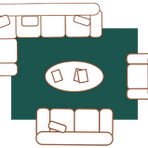
 Cacao Brown
 Duck Egg Blue
 Gold
Gold
 Navy
Navy
 Pink Rose
 Bordeaux
 Grey
Grey
 Terra
Terra
 White
White
 Smoky
Smoky
 Ivory
Ivory
 Silver
 Mix
Mix
 Cream
Cream
 Dark Blue
 Aqua
Aqua
 Beige Light
 Emerald Green
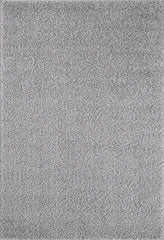
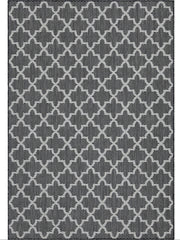
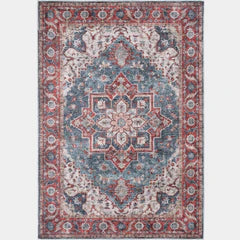


A washable rug sounds simple. You drop it in the washer, run a cycle, and put it back down. Real life feels less simple. Many rugs feel too heavy once they soak up water. Some rugs bunch up and stop the drum. Some rugs fit in the machine but come out creased and slow to dry. A practical plan starts with one question: what rug sizes fit in your washing machine at home?
This guide breaks that question down in plain UK terms. It focuses on everyday washer sizes, rug thickness, and the way rugs behave once wet. It also covers how different rooms affect the right choice. A runner in the hall needs a different shape than a rug in the bedroom. A kitchen mat needs grip, since spills happen near the sink. The goal stays clear: washable rugs that feel easy, not stressful.
Many shoppers search for machine washable rugs and expect any rug to work in any washer. The truth depends on drum size, rug weight, and rug backing. A small rug can still cause trouble if it has thick rubber backing. A larger rug can still work if it uses a light build and folds well. The right match keeps your machine safe and keeps your rug looking good.

Your washing machine limits the rug size more than the room does
Most UK homes use a front-load washing machine. The drum size often ranges from about 6 kg to 10 kg for daily family use. A larger drum takes a larger load, yet a soaked rug can act heavier than dry fabric. The rug also needs space to move in the drum, or the wash and rinse can fail.
Rug makers often label a rug as washable, yet that label does not always mean “fits any washer.” A thick pile can trap water and add weight. A rubber backing can grip the drum and stop movement. A rug with stiff edges can fold into a block and throw the drum off balance.
A simple way to think about size uses common rug shapes. Small mats and small runners often suit home machines. Larger living room rugs often need a larger drum or a launderette machine. Many people do well with these rough size bands in a standard home washer:
- 40×60 cm to 60×90 cm often fits most home machines
- 80×150 cm can fit some 8–10 kg machines, based on thickness
- 120×170 cm and above often needs a large drum, even if the rug folds
- Long runners can fit if the rug stays thin and folds in panels
People who shop for washable rugs UK often want a range that matches typical home washer limits, which makes product filtering useful. A starting point for smaller and mid-size options sits in the Washable Rugs collection.
Rug weight, pile height, and backing decide fit after the wash begins
Dry size tells only part of the story. Water changes everything. A rug can double or triple in weight once it absorbs water. That weight can strain the motor or lead to poor spinning. The rug also needs enough space to tumble, so detergent and water can reach all areas.
Pile height matters. A low pile rug usually releases water faster. It also folds thinner, so it uses less drum space. A thicker pile can feel soft, yet it can trap grit and hold water. Backing matters even more. A thick rubber backing can add weight and reduce flexibility. Some backings can crack over time if washing and heat stress hit them often.
Many people want non slip washable rugs for safety. That goal makes sense in halls, kitchens, and family spaces. The best match often uses a lighter non-slip system rather than a heavy slab of rubber. A separate non-slip underlay can also help, since it stays out of the wash and keeps the rug lighter.
Fabric edges matter too. A bound edge can hold shape, yet it can also stiffen the fold and create lumps in the drum. A softer edge often folds flatter.
Collections that focus on practical home use often pay attention to weight and fold. A range like the Nelson Collection can suit shoppers who want washable options that feel made for daily routines rather than rare deep cleans.
- Low pile rugs often tumble more easily
- Lighter backings often fit better than thick rubber layers
- Softer edges often fold flatter in the drum
- Separate underlays can support grip without adding wash weight

Room-by-room sizing: runners, kitchens, bedrooms, and living rooms
Room needs shape. That shape affects machine fit. Many homes use a runner in the hall and a larger rug in the lounge. Kitchens often use smaller mats near the sink or cooker. Bedrooms often use a rug beside the bed. Each of these spaces can use washable area rugs, yet the best sizes vary.
Hallways often suit washable runner rugs. A runner can protect high-traffic zones and keep a tidy look. In a home washer, a thin runner around 60×180 cm can still feel heavy when wet. A shorter runner often feels easier to wash and dry at home.
Kitchens do better with smaller rugs. A washable kitchen rug near the sink often falls in the 50×80 cm to 60×90 cm range. These sizes usually fit in most machines and dry faster. A kitchen rug also benefits from grip, since spills happen fast on tile.
Bedrooms often suit medium sizes. A washable bedroom rug like 80×150 cm can fit in some larger home washers, depending on thickness. Smaller bedside rugs also work well, with easy washing and quick drying.
Living rooms often use larger rugs. Washable living room rugs exist, yet many larger sizes need a larger drum. Some households use two smaller rugs instead of one large one to keep washing simple. A practical style range like the Dunedin Collection can suit people who want room-friendly designs with easier care.
- Hall runners often work best in shorter lengths for home washing
- Kitchen mats often fit most washers and dry fast
- Bedrooms often suit mid sizes that still fold well
- Living rooms often need a plan for larger rugs or split layouts
Simple “fit checks” that prevent washer problems and rug damage
A rug can look like it fits in the drum, yet the wash can still fail. The drum needs space for movement. The rug also needs room for water flow and rinse flow. A packed drum can hold detergent and leave residue.
A practical fit check uses a simple rule: the rug should fill the drum loosely, not tightly. The rug should still allow a hand to slide around the top area. This space helps tumbling and helps balance during spin. A rug that fills the drum to the door line often creates imbalance.
Fold style matters during loading. A tight roll can act like a solid log and thump during spin. A loose fold in panels can spread weight more evenly. A rug with a stiff backing can fold into hard corners and create a heavy lump.
Spin speed also affects the outcome. A very high spin can stress seams and backing. A moderate spin can reduce strain and still remove water. Drying also matters. Many rugs do better with air drying, since high heat can stress some backings.
This section also links back to product choice. People who look for the best washable rugs often focus on design, yet fit and care rules decide satisfaction. A curated range of machine washable rugs helps shoppers pick sizes and builds that match home laundry habits.
- The rug should leave space in the drum for movement
- Loose panel folds often balance better than tight rolls
- Moderate spin can reduce stress on seams and backing
- Air drying often keeps shape and reduces backing wear
Picking washable rugs that stay easy after ten washes, not just one
A rug can survive one wash and still fail later. Repeated washing tests the seams, edge binding, and backing. A rug that keeps its look after many washes often uses strong stitching and stable materials. A rug that pills and sheds can look tired fast. A rug that curls at the corners can create a trip risk.
Busy homes often wash rugs more than once a month. Kitchens and entryways can need frequent cleaning. That makes long-term performance important. People often value washable rugs UK that keep colour, keep shape, and dry in a reasonable time.
Drying time matters as much as washing. A rug that stays damp can smell. A lighter build often dries faster. A low pile surface also releases water more easily. A darker tone can hide small marks between washes, yet it can also show lint more. A mid tone can balance both.
Grip still matters across the home. Non slip washable rugs can support safety in halls, kitchens, and near doors. Many people pair washable rugs with a thin underlay to keep grip stable without adding bulk in the wash.
For households that want easy choices across rooms, a browse through Washable Rugs can help narrow down styles that match real laundry routines without turning rug care into a big job.
- Strong seams and stable edges often last longer through repeat washes
- Low pile rugs often dry faster and stay flatter
- Mid tones can hide daily marks without showing lint too much
- Underlays can add grip without adding wash weight
Conclusion: the “right size” depends on drum space, weight, and room shape
Rug size and washing machine size need to match. The rug also needs the right build for washing, not only the right measurements. A small rug can still overload a drum if the backing stays heavy. A larger rug can still work if it folds well and stays light. Rooms also guide the best shapes. Kitchens suit smaller mats. Halls often suit shorter runners. Bedrooms often suit mid sizes. Living rooms often need planning for larger pieces.
The best outcome comes from practical checks: loose drum space, balanced folds, moderate spin, and steady drying. These habits keep washable rugs, machine washable rugs, and washable area rugs simple to live with in UK homes.
Montella Rugs offers washable options for different rooms and routines. You can browse the store here: Montella Rugs.

