

 Cacao Brown
 Duck Egg Blue
 Gold
Gold
 Navy
Navy
 Pink Rose
 Bordeaux
 Grey
Grey
 Terra
Terra
 White
White
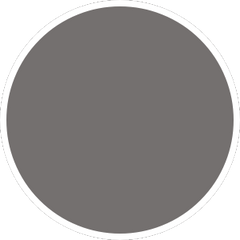 Smoky
Smoky
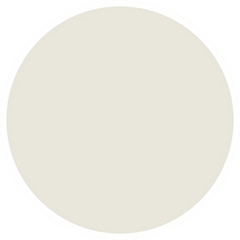 Ivory
Ivory
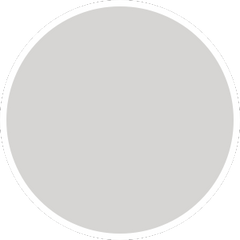 Silver
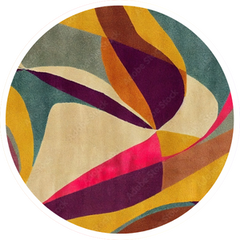 Mix
Mix
 Cream
Cream
 Dark Blue
 Aqua
Aqua
 Beige Light
 Emerald Green
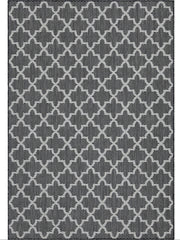
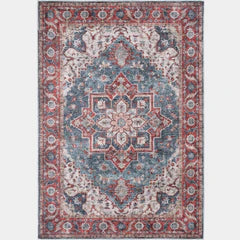


A shaggy rug feels soft underfoot and warm in a room. It can also trap spills faster than a flat weave. The long fibres grab liquid and hold crumbs deep in the pile. That can make stains feel scary, yet many marks come out well with the right steps and the right timing. A calm routine often works better than hard scrubbing, since long fibres can tangle and fray.
Homes across the UK often use shaggy rugs UK in living rooms, bedrooms, and cosy corners. These rugs add comfort and soften noise. They also sit near sofas, coffee tables, and snack spots, so spills happen. Coffee splashes in the morning. Red wine tips during a film night. Grease drops from takeaway. Then daily life adds small marks like mud, makeup, and pet spots.
If you want to browse styles for your space, you can see the full range of Shaggy Rugs as you plan your room and care routine.
Shaggy rug basics: why stains act differently in deep pile fibres
A deep pile shaggy rug holds more air and more fibre. That creates the soft feel people love. The same depth also gives spills more places to hide. Liquid can travel down the strands and reach the backing. Crumbs can settle under the top layer, so a quick vacuum may miss them.
A shaggy rug can also “mask” a stain at first. The top fibres may look fine, yet the stain sits lower. Days later, the mark can darken as it dries and binds to dust. That is why timing matters. A fast response reduces the chance of a ring or sticky patch.
Fibre type matters too. Many shaggy rugs use synthetic fibres that resist staining better than some natural fibres. Some rugs use blended yarns that can react differently to cleaners. A patch test on a hidden corner helps avoid colour change. Heat can also set stains in some fibres, so hot water and hot drying can make a mark harder to remove.
Rug shape and placement change the risk. A large shaggy rug in a living room often takes the most spills, since people eat and drink there. A shaggy runner rug in a hall can pick up mud and street grime. A shaggy area rug in a bedroom may face makeup, lotions, and tea.
- Long fibres hold liquid deeper than flat rugs
- Dust can bind to dried spills and darken them over time
- Gentle blotting protects fibres better than heavy rubbing
- Mild solutions often work best for most daily marks
For a clean, simple look that many people pair with a regular care plan, the Shaggy Lumora Plain Collection can suit rooms that want softness without busy pattern.

Coffee stains on a soft shaggy rug: quick action and gentle lift
Coffee ranks as one of the most common spills on a soft shaggy rug. People carry mugs from kitchen to sofa. A small bump can tip the cup. Coffee can also contain milk and sugar, which add extra residue. That residue can leave a sticky feel if it stays in the pile.
A good coffee clean-up starts with blotting. A clean cloth or kitchen roll can lift liquid from the surface. The goal stays simple: lift, not push. Pressing too hard can push the coffee deeper. After blotting, a mild mix of cool water and a small amount of gentle washing-up liquid can help break down the stain. A second cloth with clean water can help rinse out soap, since soap can attract dirt if it stays in the fibres.
For old coffee marks, the stain can cling to the fibre. A small amount of white vinegar mixed with water can help loosen it. The rug still needs a gentle rinse after, so the pile does not hold a sharp smell or sticky film. Drying matters too. A damp shaggy rug can hold odour. Air flow helps the fibres dry faster.
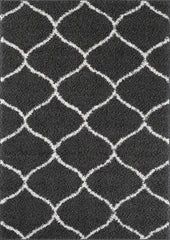
A patterned rug can hide small coffee marks better than a plain rug, yet plain rugs can still stay clean with quick care. Many people like geometric designs for this reason. The Lumora Geometric Shaggy Collection can suit living spaces that need softness and a forgiving look.
- Blot coffee fast to reduce deep soak
- Cool water often works better than hot water for fresh stains
- A small amount of gentle soap can lift residue
- A light rinse helps stop sticky build-up in the pile
Red wine on a fluffy shaggy rug: reducing colour and stopping a ring
Red wine can feel like the worst spill on a fluffy shaggy rug. The colour looks strong and the liquid spreads fast. Still, a calm routine can remove most of the stain, mainly when action happens quickly. The pile depth can slow you down, yet it also gives you time to blot the top before the stain spreads wide.
Blotting stays the first step. A clean towel can absorb liquid from the top fibres. The towel can press down in small sections. A second towel can repeat the process. Many people also use a small sprinkle of baking soda after blotting, since it can pull moisture and reduce odour. The powder can sit on the stain area as the remaining moisture comes up. Then a vacuum can lift the dry powder.
A gentle cleaning mix can follow. Cool water with a small amount of mild soap can help. Some people add a small amount of white vinegar for colour lift. The rug needs a clean-water rinse after, since residue can leave a dull patch once dry. A final blot helps remove the rinse water.
Wine can also leave a ring in shaggy pile. Rings happen when moisture spreads outward as it dries. A wider rinse area can help reduce that risk, since it blends the cleaned area with the rest of the pile. Drying with airflow helps too.
Many homes place shaggy rugs on smooth floors. A slip can turn a wine spill into a safety issue. A rug with grip can help in busy rooms. The Anti-Slip Backing Collection can suit living rooms where foot traffic stays high.
- Blot wine in stages with clean towels
- Baking soda can absorb leftover moisture after blotting
- A wider rinse can reduce the chance of a ring
- Airflow supports faster drying and less odour

Grease and oily marks on a plush shaggy rug: lifting oil without spreading it
Grease behaves differently from coffee and wine. Oil clings to fibres and attracts dust. A grease spot can look darker over time, since dirt sticks to the oil film. Takeaway nights, pizza boxes, and snack bowls often cause these marks on a plush shaggy rug.
The first step focuses on removing excess oil. If the grease stays fresh, a dull spoon or edge of a card can lift thicker residue from the top fibres. Paper towels can blot the area too. Then an absorbent powder can help pull oil out of the pile. Baking soda, cornflour, or talc can sit on the spot and soak up oil. The powder can remain for a short period, then a vacuum can lift it out.
After the powder stage, a mild soap mix can help break down what remains. Washing-up liquid often targets grease well, since it binds to oil. A small amount mixed with cool water can work. Blotting again helps lift the soap and oil mix out of the pile. A clean-water rinse follows to remove soap residue.
Grease spots can spread if rubbing starts too early. Rubbing can also mat the fibres and create a flat patch. Gentle blotting and light brushing after drying can help restore the shaggy look. A wide-tooth comb or a soft brush can lift the fibres back up once the area dries fully.
Grease marks can happen often in family rooms, so rug choice matters. A high pile shaggy rug can still work in these spaces when the rug sits a little farther from eating zones, or when the rug has a forgiving pattern.
- Lift thick grease first before any liquid cleaning
- Absorbent powder can pull oil from deep fibres
- A small amount of washing-up liquid can break down oil film
- Light brushing after drying can restore a fluffy look
Everyday marks: mud, makeup, pet spots, and tracked-in grime
Daily life brings many small stains that build up. Mud tracks often land on a shaggy runner rug near the door. Makeup drops in bedrooms and dressing areas. Pet spots happen in lounges and near feeding bowls. A shaggy rug can hide these marks at first, yet they can still dull the rug over time.
Mud works best with a “dry then lift” approach. Wet mud can smear when touched. Dry mud can crumble and lift out with vacuuming. A gentle brush can help break up dried dirt without pulling fibres. After loose dirt lifts, a light soap-and-water blot can remove what remains.
Makeup varies. Foundation often contains oils and pigment. Powder makeup can lift with vacuuming, then a light soap blot. Mascara can act tougher and may need a second round of blotting. A patch test helps on coloured rugs.
Pet spots need fast action. Blot liquid first, then clean with a mild solution. A rinse helps remove residue that can attract repeat marking. Odour control matters too. A light vinegar-and-water rinse can help, followed by plain water blotting.
A regular routine helps a shaggy area rug stay fresh. Frequent vacuuming keeps grit from sinking to the base. Spot cleaning stops small marks from turning into dull traffic areas.
- Let mud dry, then vacuum and brush gently
- Treat makeup based on type, with a small patch test
- Blot pet spots fast and rinse to reduce repeat marking
- Vacuum often so grit does not settle under the top fibres
Conclusion: shaggy rug stain removal works best with calm steps and steady care
A shaggy rug can stay clean in real homes. The long pile needs a gentler approach than flat rugs, yet most stains lift well with quick blotting, mild cleaners, and careful rinsing. Coffee needs residue control. Wine needs colour lift and ring control. Grease needs absorbent powder and gentle soap. Everyday marks need routine vacuuming and small spot care.
Shaggy rugs bring comfort and warmth, and they can still suit busy UK homes with the right care habits. Montella Rugs offers soft shaggy styles in several looks, from plain to geometric and anti-slip options. You can visit the Montella Rugs for more products.

