


 Cacao Brown
 Duck Egg Blue
 Gold
Gold
 Navy
Navy
 Pink Rose
 Bordeaux
 Grey
Grey
 Terra
Terra
 White
White
 Smoky
Smoky
 Ivory
Ivory
 Silver
 Mix
Mix
 Cream
Cream
 Dark Blue
 Aqua
Aqua
 Beige Light
 Emerald Green

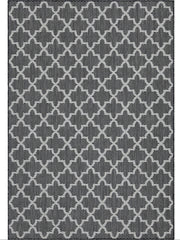
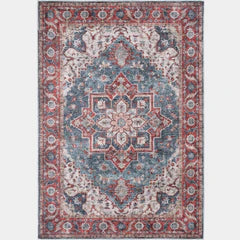


Open-air spaces serve many roles in modern homes. Patios, terraces, balconies, and garden corners often function as places for rest, conversation, and quiet moments. Furniture alone rarely creates a clear sense of structure in these areas. Outdoor rugs provide visual order and shape through placement, pattern, and scale. A rug marks a seating area without physical barriers and brings clarity to wide or open ground.
Outdoor rugs also connect individual furniture pieces into a single setting. Chairs, sofas, and tables feel linked through a shared surface. This connection supports balance and calm across the space. Open-air areas gain purpose through this simple design layer. The ground no longer feels empty or undefined.
Modern outdoor design favors clarity and comfort. Rugs support these goals through subtle design choices. Patterns remain controlled. Colors feel grounded. Materials support daily use.
Outdoor Rugs Create Clear Seating Zones Without Barriers
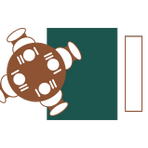
Open-air spaces often lack walls or visual edges. Outdoor rugs solve this issue through visual zoning. A rug placed beneath a seating group signals a clear boundary. The eye recognizes the area as a complete unit. The seating arrangement feels intentional rather than scattered.
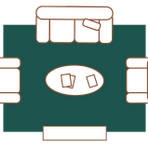
Furniture alignment improves through rug placement. Sofas and chairs naturally align along the rug edges. Tables rest at the center and feel anchored. The space gains structure through this simple arrangement. Movement around the area also feels more natural.
Large patios and decks benefit greatly from this approach. A rug fills empty ground and gives scale to the furniture. Smaller rugs suit compact balconies or corner seating areas. The rug size shapes how the space feels and functions.
Benefits linked with seating zone definition include:
- Clear boundaries around furniture groups
- Strong visual focus in open areas
- Improved furniture alignment
- Balanced use of large surfaces
- Defined spaces without solid dividers
Outdoor rugs guide how people gather and move within open-air areas. The seating area gains identity and purpose through thoughtful placement. This design choice brings order and comfort without complexity.
 Geometric Patterns Shape Visual Focus and Structure
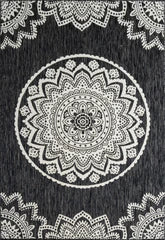
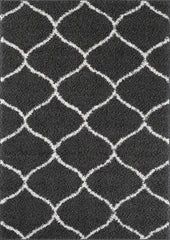
Pattern choice plays a strong role in outdoor rug design. Geometric patterns lead current trends through clean lines and repeated shapes. These designs create structure and rhythm across open surfaces. The seating area gains character through this visual language.
Geometric patterns suit modern outdoor furniture and architectural elements. Straight lines and simple shapes echo decking, railings, and paving layouts. This harmony supports a cohesive look across the space.
A patterned rug also draws attention toward the seating area. The design acts as a visual anchor. Surrounding surfaces feel calmer through contrast. Patterns also help disguise everyday marks that appear in open-air settings.
The Geometric Collection reflects this approach through balanced shapes and refined layouts. The designs define seating zones with clarity and confidence.
Pattern-related advantages include:
- Strong visual anchors for seating areas
- Clean designs that suit modern spaces
- Repeated shapes that support balance
- Visual interest without excess detail
- Clear separation from surrounding ground
Pattern scale also matters. Larger shapes suit wide spaces. Smaller repeats fit compact areas. Through careful pattern choice, outdoor rugs define seating areas and support spatial identity.
 Color Choices Create Cohesion Across Open-Air Settings
Color selection shapes mood and connection in outdoor spaces. Outdoor rugs often feature grounded tones that work well with natural materials. Shades like beige, stone, gray, and soft brown blend easily with wood, concrete, and tile.
Darker tones anchor furniture and reduce visual glare. Lighter tones open the space and reflect light. Color choice affects how the seating area feels throughout the day.
A rug also links furniture and décor through shared color cues. Cushions, planters, and accessories feel connected when the rug tone aligns with them. This cohesion creates a polished and unified setting.
Color-related benefits include:
- Unified look across seating elements
- Balanced contrast with flooring materials
- Calm atmosphere through neutral tones
- Easy pairing with outdoor furniture
- Long-lasting appeal through classic shades
Neutral colors support flexibility. Seasonal accents can change without replacing the rug. The seating area keeps a consistent foundation across time. Through thoughtful color choice, outdoor rugs define spaces and support visual harmony.
Texture and Material Support Comfort and Stability
Texture influences both comfort and function in outdoor rugs. Flat woven surfaces dominate open-air designs through their steady feel. These textures support furniture placement and foot traffic with ease. The seating area feels secure and comfortable.
Material choice also affects performance. Synthetic fibers often appear in outdoor rugs through their strength and shape retention. These materials maintain form and resist flattening across frequent use.
Texture adds subtle depth without bold decoration. Woven surfaces create interest through light variation. The seating area feels layered and complete through this tactile quality.
Material and texture benefits include:
- Stable surface for chairs and tables
- Comfortable feel underfoot
- Consistent shape across long-term use
- Subtle depth through woven texture
- Compatibility with open-air settings
A rug with the right texture supports daily activities without distraction. The seating area gains comfort through structure rather than softness. Texture and material work together to define space and support ease of use.
Scale and Placement Control Proportion and Flow
Scale plays a central role in defining seating areas. A rug should match the furniture size to create balance. Furniture legs often rest fully on the rug surface. This placement signals a complete and unified zone.
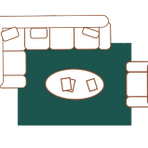
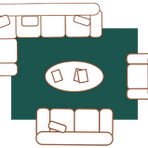
Small rugs fit compact seating arrangements. Larger rugs support sectional seating or group layouts. The rug size shapes how spacious the area feels. Proper scale prevents furniture from feeling disconnected.
Placement also shapes flow. Centered rugs create symmetry and order. Offset placement suits relaxed layouts and informal settings. The rug guides how furniture interacts with surrounding space.
Scale and placement advantages include:
- Clear proportion between rug and furniture
- Balanced visual weight across the area
- Defined seating zones within wide spaces
- Smooth movement around the layout
- Structured appearance without enclosure
Through scale and placement, outdoor rugs act as anchors. The seating area gains clarity and comfort through thoughtful proportion.
Long-Term Use Supports Everyday Outdoor Living
Outdoor rugs support daily life through durability and design. Many open-air spaces see frequent use. A rug that holds its shape and appearance supports consistent comfort.
Practical design supports easy handling. Lightweight rugs move and adjust with little effort. The rug stays ready for daily routines and social moments.
Durable construction supports long-term use. The rug maintains structure across time. This reliability builds familiarity and comfort within the space.
Everyday benefits include:
- Consistent appearance across seasons
- Easy handling for layout changes
- Reliable surface for daily use
- Simple integration with open spaces
- Steady foundation for seating areas
An outdoor rug that supports daily use becomes part of the living space. The seating area feels established and dependable through this foundation.
Conclusion: Grounding Open-Air Seating Through Thoughtful Design
Outdoor rugs define seating areas through structure, pattern, color, texture, and scale. These elements work together to bring clarity to open-air spaces. Furniture gains connection. Movement feels natural. The ground supports purpose rather than emptiness.
A well-chosen outdoor rug turns an open surface into a defined seating area. The space feels planned and welcoming through this single addition. Design clarity replaces visual clutter.
At the heart of this approach stands Montella Rugs. We present outdoor rug collections built for contemporary open-air lifestyles, combining thoughtful construction with durable materials. These rugs define outdoor seating zones with a sense of order, ease, and visual assurance.

