







 Cacao Brown
 Duck Egg Blue
 Gold
Gold
 Navy
Navy
 Pink Rose
 Bordeaux
 Grey
Grey
 Terra
Terra
 White
White
 Smoky
Smoky
 Ivory
Ivory
 Silver
 Mix
Mix
 Cream
Cream
 Dark Blue
 Aqua
Aqua
 Beige Light
 Emerald Green

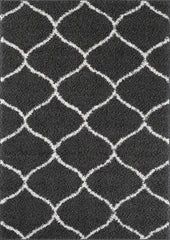

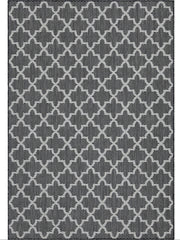



A rich brown rug can shift the whole mood of a room. The right shade brings comfort, depth, and calm. A wrong shade can pull too much weight into the floor and leave a space flat. That balance matters most with cacao tones. Cacao sits in a sweet spot between soft earth and deep chocolate. A room gets warmth, yet a room can still feel open.
Current design coverage points to warm neutrals, earthy browns, and tactile rugs as a strong direction for 2025 and 2026. Designers also keep lighter walls, lighter textiles, and visible contrast in the mix, so darker shades feel grounded rather than dense.
For anyone looking at cacao brown rugs or cacao brown rugs UK shoppers often prefer for modern homes, the goal stays simple. A rug should warm the room, support daily use, and leave enough visual space for light, shape, and texture. A strong result rarely comes from colour alone. Size, pile, pattern, nearby materials, and the amount of contrast all shape the final feel.
 Why cacao brown feels warm, calm, and easy to live with
Cacao brown carries depth, though the shade does not need to feel dark or closed in. Brown draws warmth from wood, clay, soil, leather, and woven natural fibres. Such links give a room a settled mood. A softer cacao tone often feels lighter than black, charcoal, or espresso, so a room keeps more softness across the floor.
A balanced look starts with contrast. Cream upholstery, oat linen curtains, pale walls, and natural oak all help brown read as warm instead of heavy. Texture helps just as much. Smooth leather, looped wool, jute, brushed cotton, and matte ceramics stop the colour from feeling flat. Design editors and colour writers now treat chocolate and cocoa shades as fresh neutrals, especially when lighter tones frame the room.
A few design moves help most:
- Pair cacao with warm white, sand, stone, or soft beige.
- Add one cooler note, such as sage or muted blue, for balance.
- Break up large dark areas with light upholstery or light timber.
- Bring in texture before adding more colour.
- Let daylight touch the rug from at least one side of the room.
A room with chocolate brown rugs often feels richer when the rest of the palette stays quiet. A room with dark brown rugs usually feels lighter when contrast shows up in walls, sofas, and side tables. That mix brings comfort without crowding the eye.
How to keep brown rugs from making a room feel too dark
Scale matters as much as colour. A rug that feels too small can leave a dark patch in the middle of the floor. A rug that fits the furniture well often looks calmer and lighter because the full seating area reads as one zone. Design guides for living rooms often suggest a rug that extends past the sofa on both sides. That extra width creates flow and avoids a boxed-in look.
Pattern also changes the weight of brown. A flat solid block can look dense in a room with low light. A subtle border, faded wash, heathered weave, or broken texture gives the eye more movement. That softer read works well for brown area rugs in open-plan rooms and sitting rooms with layered neutral décor.
A few choices lighten the visual effect:
- Low-contrast pattern keeps colour depth but softens the floor.
- Mixed fibres create tiny shifts in tone across the surface.
- Pale cushions, cream throws, and linen shades lift the top half of the room.
- Glass, light wood, and curved furniture stop a dark base from feeling stiff.
- Larger layouts often help large brown rugs feel more elegant and less patchy.
For a softer first step, a broad collection of cacao brown rugs gives enough range for calm modern spaces, relaxed neutral rooms, and layered family living areas. A room with modern brown rugs tends to work best when clean lines meet soft surfaces. A room with luxury brown rugs often feels strongest when sheen, pile, and colour all stay balanced rather than loud.
Best room settings for cacao brown rugs
Living rooms welcome cacao tones with very little effort. Brown sits naturally beside timber tables, neutral sofas, boucle chairs, and brushed metal details. A soft brown floor layer can also calm a busier room. Prints, books, art, and mixed upholstery all feel more connected when one grounded shade holds the center.
For brown living room rugs, shape and placement guide the mood. A larger rug under the front legs of sofas and chairs often creates a more open frame. A smaller rug can work in compact rooms, though the layout needs clear intention. Bedrooms also suit cacao well, especially with off-white bedding, oak bedside tables, and soft lighting. Dining areas benefit from flatter textures that keep the room neat and easy to read.
Room-by-room, cacao often shines in these ways:
- Living room: warmth under pale seating and wood furniture.
- Bedroom: a calm base under layered bedding and woven accents.
- Dining room: a grounded zone under natural wood tables.
- Study corner: a soft frame that separates work from rest.
- Open-plan room: a visual anchor that connects scattered pieces.
A shaggy finish can also work when the room carries enough light and air. The Shaggy Rug Lumora Plain Brown Cacao suits rooms that need softness underfoot and a fuller, warmer mood. In brighter spaces, deeper pile can look inviting rather than bulky. In leaner interiors, handmade brown rugs and textural woven styles often bring the same warmth with a lighter visual touch.

Everyday room examples with cacao brown rugs
A young couple with a pale sofa and light oak floor wanted a warmer living area without losing brightness. A cacao rug solved the gap. Cream cushions, a stone side table, and one olive chair gave enough contrast. The room felt calmer right away. The floor looked richer, though the overall mood stayed open.
A family with a large lounge needed a rug that could soften noise, hold the seating area together, and hide daily wear. A medium cacao tone worked better than charcoal. The brown base paired well with tan leather, natural baskets, and off-white curtains. A larger size made the full seating area feel connected, so the rug looked planned instead of heavy.
A quiet reading corner in a neutral flat needed warmth. A smaller rug in a chocolate-cacao mix gave shape to the chair, lamp, and side table. One textured throw and a light ceramic lamp kept the corner from looking dark.
Useful lessons show up across each room:
- Light walls help deep brown feel airy.
- Texture creates depth without extra clutter.
- Good sizing makes a rug feel softer in the room.
- A calm palette lets brown act like a refined neutral.
- Layered natural materials give brown more life.
Such examples explain why brown area rugs, large brown rugs, and well-scaled brown living room rugs keep showing up in homes that value warmth with ease.
A warm finish for rooms that need depth without weight
Cacao brown can do something very useful in a home. The shade adds comfort, depth, and quiet richness. A good rug in that tone does not need to dominate the room. Good balance comes from contrast, scale, and texture. Light walls, natural wood, soft fabrics, and thoughtful sizing all help brown feel calm and breathable.
For homes that want grounded style without a dark or heavy finish, cacao often lands in the right place between soft neutral and bold anchor. A room feels warmer. A room feels more settled. A room still keeps its light.
For more ideas, more room inspiration, and more guidance on finding the right fit, visit Montella Rugs. At Montella Rugs, our collections bring together warmth, texture, and everyday style in a way that suits modern homes.

