


 Cacao Brown
 Duck Egg Blue
 Gold
Gold
 Navy
Navy
 Pink Rose
 Bordeaux
 Grey
Grey
 Terra
Terra
 White
White
 Smoky
Smoky
 Ivory
Ivory
 Silver
 Mix
Mix
 Cream
Cream
 Dark Blue
 Aqua
Aqua
 Beige Light
 Emerald Green
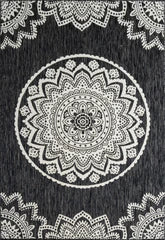

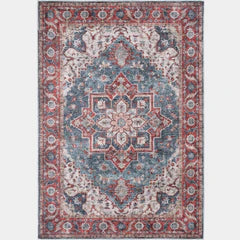


An outdoor rug can change a patio, balcony, or garden corner fast. It can make a hard floor feel softer. It can give furniture a clear place. It can add colour, pattern, and comfort without a full garden update.
Summer spaces need practical choices. A rug outside faces sun, shoes, crumbs, soil, drinks, and daily foot traffic. It may also face rain and damp air. A good rug should look right, but it should also work for real life.
The right choice depends on the space. A small balcony needs a different rug from a large patio. A dining area needs a different surface from a quiet reading corner. Colour, size, shape, pattern, and material all play a part.
This guide covers 10 simple things to know before choosing a rug for summer. It also shares clear patio rug ideas for gardens, decks, and outdoor seating areas.
1. Know How the Space Will Be Used
A rug works best when it fits the way people use the space. A garden dining area needs a rug that can handle chairs, crumbs, and spills. A quiet corner needs a rug that adds comfort and shape. A balcony may need a slim runner or a small rectangle.
A rug should support the furniture, not fight with it. A table, two chairs, and a plant pot can feel more settled with the right rug below them. This works well for an outdoor rug for summer corner setup. The rug gives the area a clear edge and makes the corner feel planned.
Outdoor Rugs can work in many outdoor spaces, from small patios to wide garden seating areas.
Common outdoor rug uses include:
- A rug under a garden dining table.
- A rug below a sofa and side chairs.
- A runner on a narrow balcony.
- A round rug under a bistro set.
- A small rug near one chair and table.
Outdoor rugs for summer should match daily habits. Some homes use the patio for meals. Some use it for morning coffee. Some use it for family time. The rug choice should follow that use.
A rug that suits real life will feel easier to keep. It will also make the outdoor space feel more natural and useful through the season.
2. Choose a Material That Suits Outdoor Life
Material makes a big difference. A normal indoor rug can fade, hold dirt, and dry slowly outside. Outdoor rugs use fibres that cope better with garden life. Many guides list polypropylene as a common outdoor rug material, as it can resist stains, dry fast, and clean with little effort.
A weather-resistant outdoor rug can work well on patios, decks, and balconies. It should handle light rain, sun, dust, and foot traffic. Still, any rug lasts longer with basic care and dry storage during long wet spells.
A low-pile rug often works better outside than a thick rug. It traps less dirt and dries faster. It also lets chairs move more easily across the surface. This matters under dining tables and garden seating sets.
Good material traits include:
- Low pile for easy sweeping.
- Tight weave for regular use.
- UV-safe fibres for sunny spots.
- Stain resistance for meals and drinks.
- Fast drying after cleaning.
- Light weight for moving and storage.
The best outdoor rug for patio spaces should feel practical. It should not need careful treatment every day. It should cope with shoes, garden dust, food marks, and chair movement.
A good material choice keeps the rug useful. It also makes the space easier to care for during summer.

3. Think About Sun, Shade, and Colour Fade
Sun can change the way a rug looks over time. Strong light can fade some colours faster than others. For a bright patio, a rug needs fibres that suit direct light. UV-safe outdoor rugs can help slow colour fade, and many current buying guides treat this as a key point for summer patios.
An outdoor rug for sunny patio areas should have a practical surface and a colour that can live with bright light. Dark colours can add contrast, but they may show dust. Pale colours can feel fresh, but they may show marks. Pattern can help balance both issues.
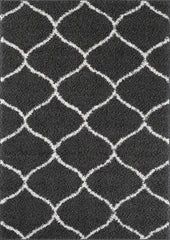
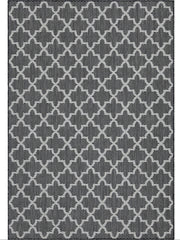
The Outdoor Rugs Portobello Collection - Dark Grey / Cream style can suit patios with black frames, grey paving, and cream cushions. Dark grey gives the space a steady base. Cream keeps the pattern clear.
Useful colour ideas include:
- Dark grey for modern patios.
- Cream for a softer look.
- Blue or green near plants.
- Terra tones near wood furniture.
- Patterned designs for busy areas.
A cool summer patio rug can use colour in a calm way. It does not need loud shades. A simple pattern can add enough detail.
The best colour should match the furniture, pots, cushions, or wall tone. This gives the space a more finished look without making it feel overdone.
4. Get the Size Right Before Buying
Size can change the whole look of an outdoor rug. A small rug can make a large seating area feel unfinished. A huge rug can crowd a small patio. The right size should fit both the furniture and the floor.
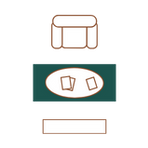
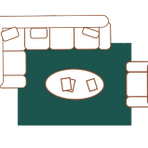
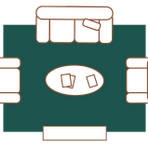
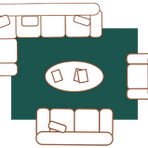
For a dining table, the rug should extend beyond the chairs. This gives the chairs room to move back. For a sofa set, the rug can sit under the front legs of the sofa and chairs. This links the pieces without covering the whole floor.
For a small balcony, a runner can work well. For a round bistro set, a round rug can look balanced. For a larger patio, an outdoor area rug for summer can frame a full seating zone.
Useful size choices include:
- Small rug for one chair and table.
- Round rug for a bistro set.
- Medium rug for two chairs.
- Large rug for a dining area.
- Runner for a narrow balcony.
A rug should leave space near doors, steps, and main walking routes. It should not catch under doors or sit too close to stairs.
Good size also helps airflow. A rug that covers every part of the floor can hold dirt or damp under it. A visible border around the rug keeps the space neat.
The right size makes the patio feel balanced. It also helps people move around with ease.
5. Use Pattern to Add Style Without Clutter
Pattern can bring life to a plain patio. It adds interest to stone, decking, tiles, or concrete. It can also hide small marks from dust, crumbs, and garden soil. This makes pattern useful as well as decorative.
The Geometric Collection can suit modern patios with clean lines. Geometric patterns work well with metal chairs, glass tables, and simple outdoor sofas. They can give the space a neat shape.
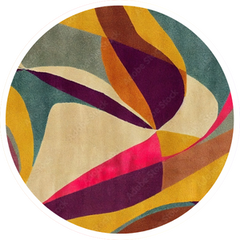
The Artistry Collection can suit a softer garden setting. Artistic patterns can work well near plants, cushions, and mixed textures.
Good pattern ideas include:
- Geometric lines for modern seating.
- Soft shapes for relaxed corners.
- Dark borders on pale paving.
- Cream details on darker floors.
- Terra shades near wood furniture.
Stylish patio rugs should still feel easy to live with. A very loud pattern can take over a small space. A calmer design can add detail and still let the furniture stand out.
Pattern also helps with daily use. A plain pale rug can show every mark. A patterned rug can look cleaner between light cleans.
The right pattern should support the outdoor setup. It should match the scale of the space, the furniture style, and the amount of colour already in the garden.

6. Match the Rug to Furniture and Flooring
A rug should connect the main pieces in the outdoor space. It should not feel separate from the chairs, table, cushions, or flooring. The easiest way to get this right is to match one or two colours from the rug with items already outside.
A terra and cream rug can work well with wood furniture, clay pots, cream cushions, and warm stone. The Outdoor Rugs Plain Portobello Collection Terra Cream style can suit garden corners that need warmth without strong colour.
The rug can also create contrast. A dark rug can ground pale furniture. A light rug can soften black metal chairs. A patterned rug can break up plain paving.
Helpful matching ideas include:
- Cream details with light cushions.
- Dark grey with black metal frames.
- Terra tones with wood or clay pots.
- Geometric lines with modern furniture.
- Soft patterns near plants and textiles.
Summer outdoor rugs work best when they feel part of the whole layout. A rug should not look like an afterthought. It should link with the furniture and help the area feel complete.
Flooring matters too. Grey paving often suits cream, blue, black, or anthracite. Wood decking can suit terra, beige, green, or cream. Light tiles can handle darker patterns for contrast.
A good match keeps the garden simple and clear.
7. Check How Easy the Rug Will Clean
Outdoor rugs face more mess than indoor rugs. Dust, leaves, pollen, food, shoes, and drink spills can all reach the rug. Simple cleaning matters a lot in summer.
Many outdoor rug guides suggest regular shaking, sweeping, mild soap, rinsing, and full drying after cleaning. Low-pile rugs make these steps easier. They trap less dirt and dry faster than thick rugs.
A rug near a dining table needs extra care. Crumbs and spills happen often. A patterned, low-pile rug can hide light marks and clean with less effort.
Simple care habits include:
- Shake loose dirt from the rug.
- Sweep with a soft brush.
- Blot spills with a clean cloth.
- Use mild soap for small marks.
- Let both sides dry fully.
- Store the rug dry during long wet spells.
An outdoor rug UK home often needs a rug that can handle mixed summer days. Sun, rain, dust, and damp air can all appear in one week. A rug with practical fibres can make care much easier.
Care also includes airflow. Heavy plant pots and furniture can trap damp under a rug. Moving them now and then can help the floor and rug dry better.
A rug that cleans fast will fit daily life better. It will also look fresh for longer.
8. Think About Storage and Seasonal Use
A summer rug may not stay outside all year. Some people keep outdoor rugs out through the warm months, then store them in colder seasons. This can help the rug last longer.
Storage matters most for rugs used in open patios. Long wet periods, frost, and heavy dirt can wear down any outdoor rug. A dry storage space can protect the fibres and keep the rug ready for next summer.
Before storage, the rug should dry fully. Dirt should come off first. A clean and dry rug stores better than one that still holds dust or damp. Rolling works better than folding for many rugs, as it can help avoid hard creases.
Useful storage habits include:
- Clean the rug before storage.
- Let both sides dry well.
- Roll the rug instead of folding it.
- Store it in a dry place.
- Keep it away from heavy items.
- Bring it back out when the patio sees regular use.
Outdoor rugs for summer should feel easy to move and store. A very heavy rug can become a problem in a small home. A lighter flatweave rug may suit renters, balcony users, or people who change their garden layout often.
Storage does not mean the rug lacks strength. It just means the rug gets better care. This can help colour, shape, and texture last longer.
9. Balance Budget, Style, and Daily Use
A good outdoor rug does not need to cost too much. It just needs to suit the space and the way people use it. Price, material, size, and design all matter.
A low-cost rug may work well for a small balcony or a short summer update. A higher-priced rug may make sense for a main patio area that sees daily use. The goal is not to buy the most expensive option. The goal is to pick a rug that fits the space and holds up well.
Current guides often place outdoor rugs as a practical way to refresh patios, balconies, and garden seating areas without major changes.
Good buying points include:
- Pick the right size before style.
- Choose low-pile materials for easy care.
- Use pattern for busy spaces.
- Match colour with furniture.
- Check how the rug dries.
- Think about storage space.
Patio rug ideas should stay grounded in real life. A rug for a family dining area needs different features from a rug for a quiet balcony. A rug near plants may need a darker or patterned surface. A rug under a table may need a flat weave.
The best choice should look right, clean easily, and feel useful all summer. Style matters, but daily use matters just as much.
10. Choose a Rug That Feels Right for the Whole Space
A rug should bring the outdoor space together. It should work with the floor, furniture, plants, and the way people use the area. The final choice should feel natural, not forced.
For a small patio, a simple rug can add comfort and shape. For a garden dining area, a larger rug can make the table feel settled. For a balcony, a runner can add softness without taking over the floor. For a summer corner, a small patterned rug can make the spot feel complete.
A good final check can include:
- The rug fits the furniture.
- The colour suits the space.
- The material can handle outdoor use.
- The surface cleans with ease.
- The size leaves walking space.
- The pattern does not crowd the area.
A best outdoor rug for patio choice should support the whole setup. It should not only look good in one photo. It should work for meals, quiet mornings, long evenings, and daily foot traffic.
A good outdoor rug can make a garden feel more useful. It can soften hard floors. It can add colour. It can define a clear area. It can help the space feel closer to an indoor room, but still ready for summer use.
Final Thoughts
The perfect outdoor rug for summer depends on simple details. Size, material, colour, pattern, and care all shape the final choice. A sunny patio needs UV-safe fibres. A dining area needs a flat surface. A small balcony may need a runner. A summer corner may need a soft pattern and a clear size.
A good rug should fit real life. It should handle shoes, dust, food, and sun. It should clean without stress. It should also match the furniture and make the space feel complete.
Montella Rugs offers outdoor rug styles for patios, balconies, decks, and garden corners. More designs can be found at Montella Rugs.

